10 Best AI Research Assistants for Entrepreneurs

10 Best AI Research Assistants for Entrepreneurs
I used to spend entire Sundays doing research. Market sizing, competitor analysis, pricing benchmarks, "what are other SaaS companies doing about X." Hours of Googling, opening 40 tabs, reading half of them, bookmarking the rest, and ending up with a vague sense that I maybe knew more than before. Maybe.
Then I started using AI research tools and honestly, the difference is embarrassing. Not because the tools are perfect (they're not), but because they showed me how much of my "research" was actually just wandering around the internet hoping to bump into something useful.
Here are the tools I've tested, ranked by how well they actually help you make decisions, not just collect information.
Perplexity AI is the one I reach for first, every time. It's what Google should be: you ask a question, you get a synthesized answer with citations. Not ten blue links. Not a sponsored ad for something you didn't ask about. An actual answer with sources you can verify. I use it for everything from "what's the average churn rate for B2B SaaS" to "what pricing models are founder-led SaaS companies using in 2026." The Pro plan with access to better models is worth the $20/month if you're doing research more than once a week.
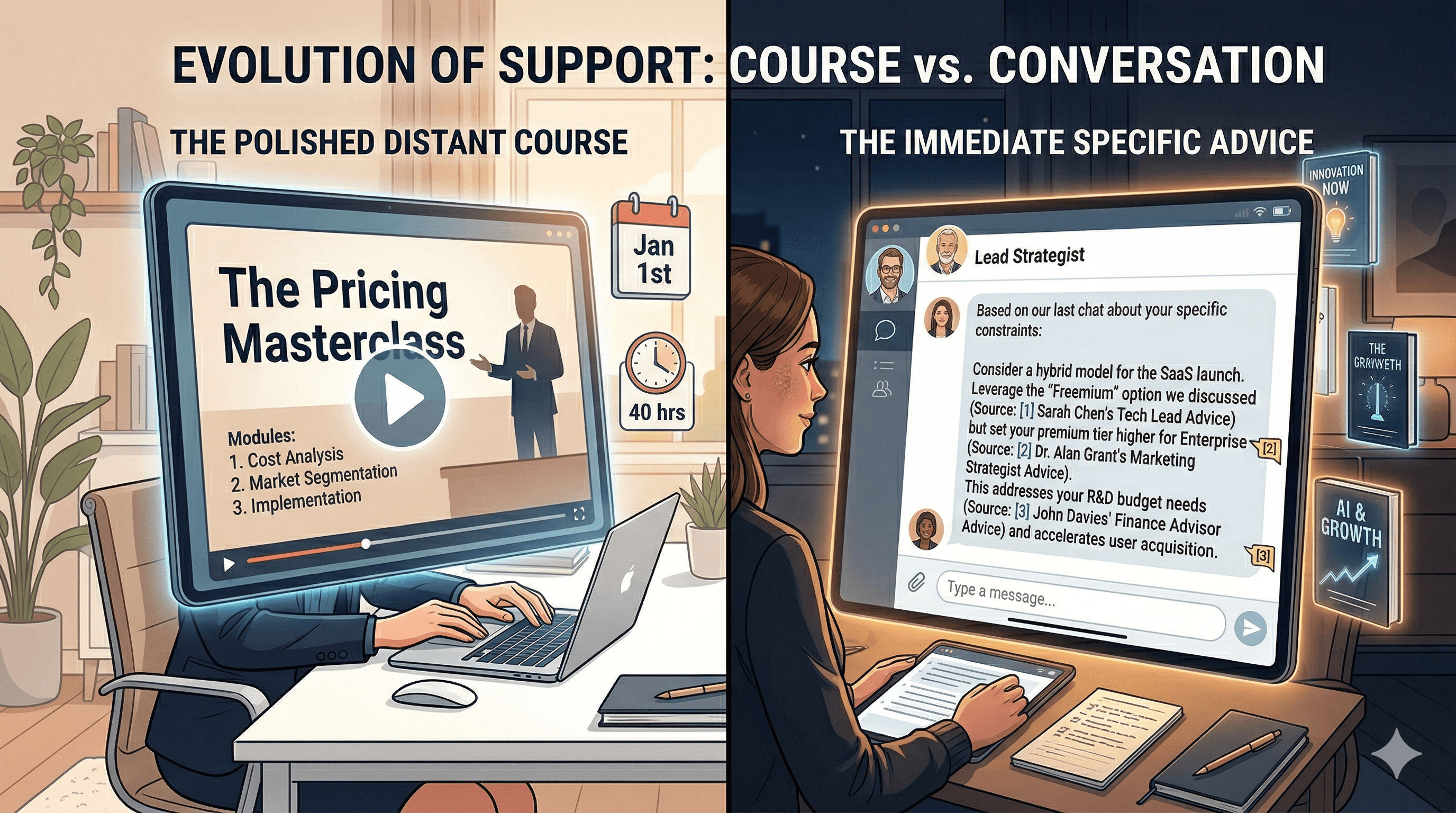
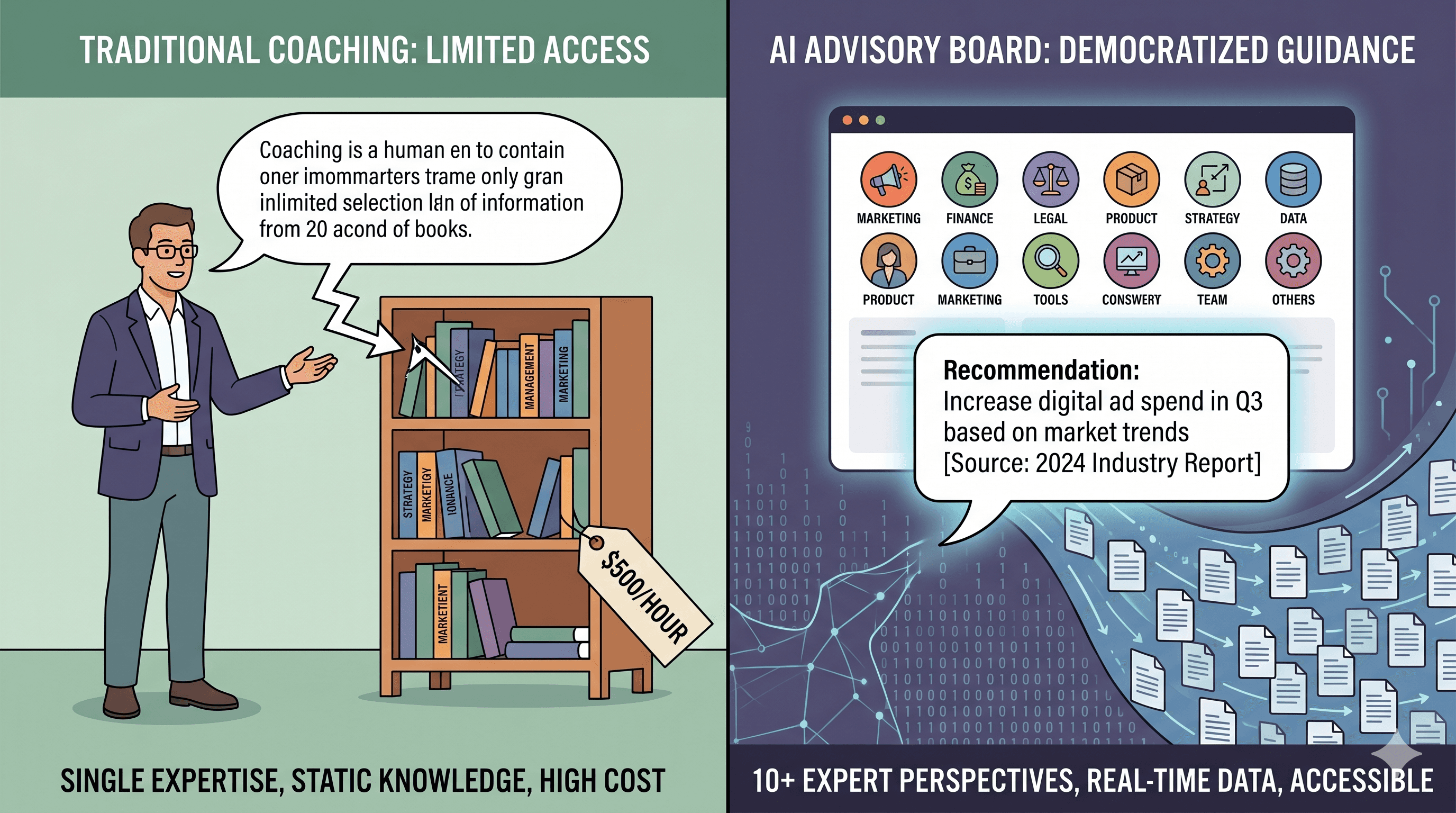
Adviserry Boards is research based in the experts you already trust. I built this (so yeah, I'm biased), but the research angle is one I didn't fully appreciate until I started using it myself. When I'm researching a topic like pricing strategy, I don't just want random internet results. I want to know what Hormozi said about it. What Lenny Rachitsky's newsletter covered. What the specific experts I follow think. Adviserry lets you search and chat across your newsletter and YouTube subscriptions, which means your research is filtered through voices you've already decided to trust. Core plan is $99.99 lifetime.
Elicit is the academic research tool that actually respects your time. If you need evidence-based answers (not opinions, not blog posts, actual peer-reviewed research), Elicit is excellent. It searches academic papers, extracts key findings, and helps you put together results across multiple studies. I used it when I was trying to figure out whether our onboarding flow was psychologically optimized (turns out there's real research on cognitive load in software onboarding, who knew). Pretty niche, but when you need it, nothing else comes close.
[ChatGPT/Claude/Gemini] with web search are the general-purpose research workhorses. All three major models now have web browsing capabilities, which means you can ask research questions and get answers based in current information. Claude is my go-to for nuanced analysis where I need to think through a problem, not just find an answer. ChatGPT is good for breadth. Gemini's strength is anything Google-adjacent (Maps data, YouTube, etc.). For about $20/month each, these are the baseline. The limitation: you get whatever the internet gives you, with no filter for expertise quality.
Notebook LM is great when you already have your research material. Upload your PDFs, articles, and links, then ask questions across all of them. I use it when I've already collected 5-10 sources on a topic and want to find the connections and contradictions between them. The audio overview feature is also surprisingly helpful for processing research while doing other things. $Free, which is hard to argue with for a Google product that's actually good.
Consensus searches academic papers and tells you what the research says. Similar to Elicit but more focused on giving you a yes/no answer based on the weight of evidence. "Does cold outreach work for B2B SaaS?" gives you a summary of what studies have found, with links to the papers. Useful when you want a quick evidence check on a business assumption you're making.
Statista is old school but still the best for market data. When you need actual numbers (market size, growth rates, industry benchmarks, demographic data), Statista usually has them. The AI features they've added recently make it easier to find what you need, but honestly you're paying for the dataset, not the AI. Expensive ($99/month for basic access), but if you're making investment decisions or writing pitch decks, the data quality is worth it.
SemRush / Ahrefs for competitive and SEO research. I'm combining these because they solve the same problem: understanding your competitive environment online. Who's ranking for the keywords you want? What content is driving traffic to your competitors? Where are the gaps you can fill? Both have added AI features for content suggestions and keyword analysis. Not cheap ($129+/month) but if organic search is part of your growth strategy, one of these is basically required.
Glasp turns your web highlighting into a social research library. You highlight articles as you read them, and Glasp saves and organizes everything. The social element means you can see what other people are highlighting on the same articles, which is interesting for research because it shows you what resonated with others. Think of it as collaborative annotation for the internet. $Free for the basic plan.
Skeema auto-organizes your browser tabs and research sessions. If your research process looks like mine used to (47 open tabs, no idea which ones matter, Chrome eating all your RAM), Skeema groups your tabs by topic and uses AI to summarize what you've been looking at. It's not a research tool exactly, it's a "prevent your research from descending into chaos" tool. And sometimes that's exactly what you need.
Here's the thing about AI research tools: the best ones don't just find information faster. They help you think about information differently. Perplexity gives you synthesized answers instead of links. Elicit gives you evidence instead of opinions. Adviserry gives you expert-filtered knowledge instead of generic search results.
The worst way to use any of these is as a replacement for your own judgment. They're inputs, not decisions. I still make plenty of bad calls, but at least now they're bad calls based on actual research instead of bad calls based on a vague memory of something I read three weeks ago.
Pick the ones that match how you actually make decisions. If you're data-driven, lean toward Elicit and Statista. If you're expert-driven, lean toward Adviserry and Perplexity. If you're instinct-driven... well, at least skim the research before you go with your gut. Your gut will thank you.
Keep Reading:
- 10 Best Ways to Use AI as a Business Advisor — turning research into better business decisions
- 9 Best AI Mentorship Tools for Founders in 2026 — expert guidance tools for entrepreneurs
- 7 Best AI Tools for Startup Founders Who Want to Learn Faster — learning acceleration for founders