How I Used Adviserry Boards to Build a Marketing Strategy From My Favorite Newsletter Experts
How I Used Adviserry Boards to Build a Marketing Strategy From My Favorite Newsletter Experts
I had a product ready to launch and no marketing plan. Not "no detailed marketing plan." No plan at all. I'd been so deep in building the product that I'd completely neglected the part where you tell people about it.
Classic founder move. Build first, figure out distribution... eventually.
The irony is that I subscribe to at least six marketing newsletters. Seth Godin, Lenny Rachitsky, Demand Curve, Marketing Examined, Harry Dry's Marketing Examples, and a few others. Collectively, they've published hundreds of pieces about exactly the problem I was facing: how do you launch a product when nobody knows you exist?
But could I remember any of their specific advice? Nope. Not a thing.
So I did something a little meta: I used Adviserry Boards (which is the product I was trying to market) to build the marketing strategy for marketing Adviserry Boards. If that sounds circular, it is. But it also worked.
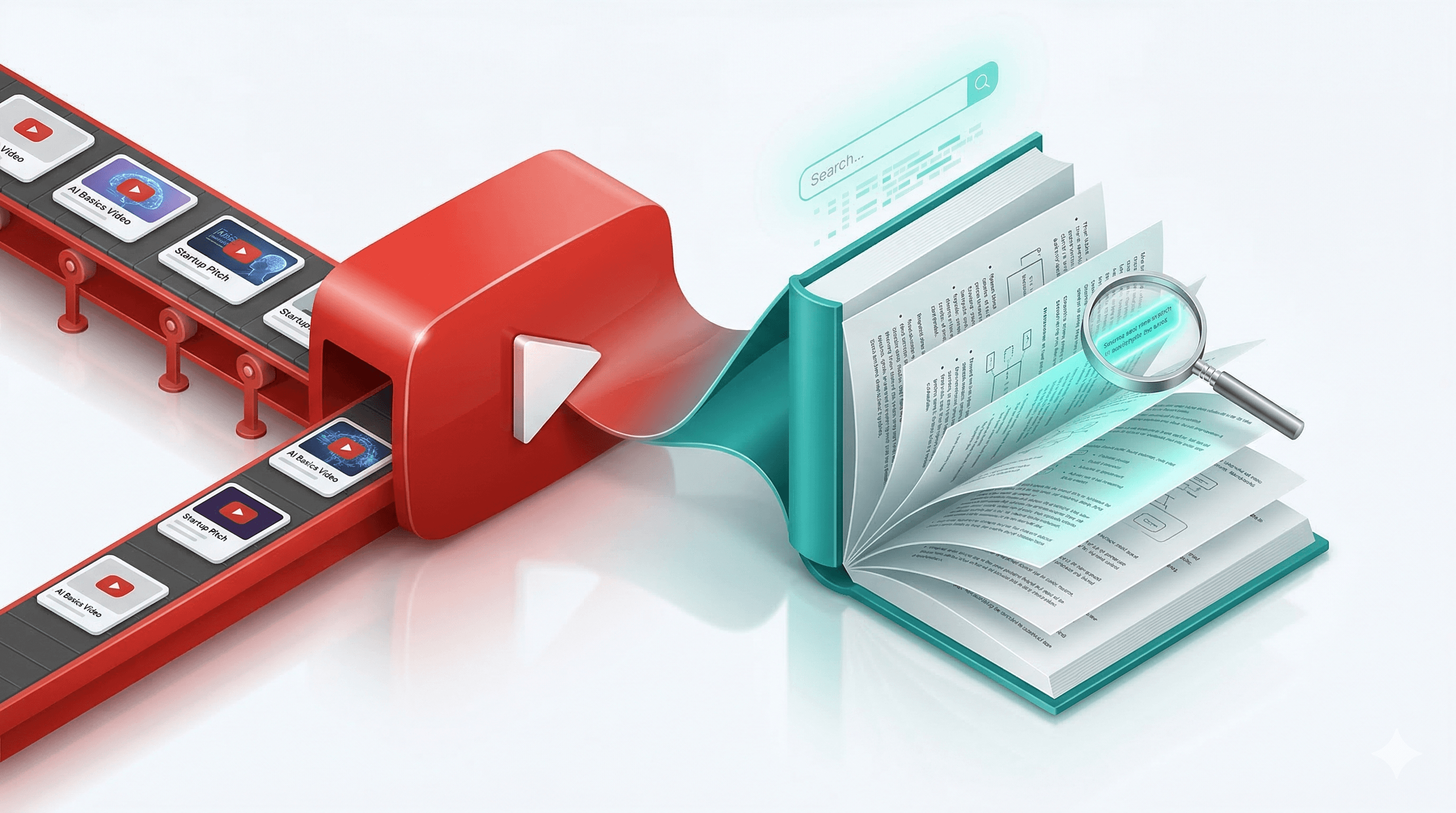
Step one: I created a "Marketing" board and added all my marketing newsletters. Took about five minutes. Connected Gmail (it was already connected from building the product), clicked "Scan for Newsletters," selected the marketing-related ones, and dropped them into a new board. Adviserry pulled in the recent issues and started processing them. Within about 20 minutes, I had a searchable, chat-enabled library of marketing advice from the people I trusted.
Step two: I started asking questions. Not vague questions like "how do I market a SaaS product" (that would just get generic advice I could get anywhere). Specific ones:
"What strategies do my newsletter experts recommend for launching a product with zero audience?"
"What do my marketing sources say about content marketing versus paid acquisition for early-stage SaaS?"
"What frameworks from these newsletters apply to a product launch with a $100 price point?"
Each answer came back with specific advice pulled from specific newsletter issues, with citations so I could read the original source if I wanted to go deeper.
Step three: I built a rough strategy from the answers. The themes that kept coming up across multiple sources: start with content that proves the problem exists (people don't know they need your solution), launch to a small group of beta users and get testimonials before going wide, use your own story as the content (founder-led marketing beats brand-voice marketing for early-stage), and invest in SEO early because it compounds.
None of this was new advice. I'd probably read all of it at some point. But having it synthesized from my specific sources, in context, and all at once? That was the difference between knowing these ideas existed and actually being able to use them.
Step four: I asked follow-up questions to drill into specifics. "What does Demand Curve say about writing headlines for SaaS landing pages?" "What frameworks from Marketing Examples would apply to a comparison blog post?" "How does Lenny recommend thinking about pricing page design?"
This is where it got really useful. Instead of re-reading six months of marketing newsletters hoping to find the relevant parts, I was getting targeted answers in seconds. The AI chat searched across everything and pulled out the specific content that matched my question.
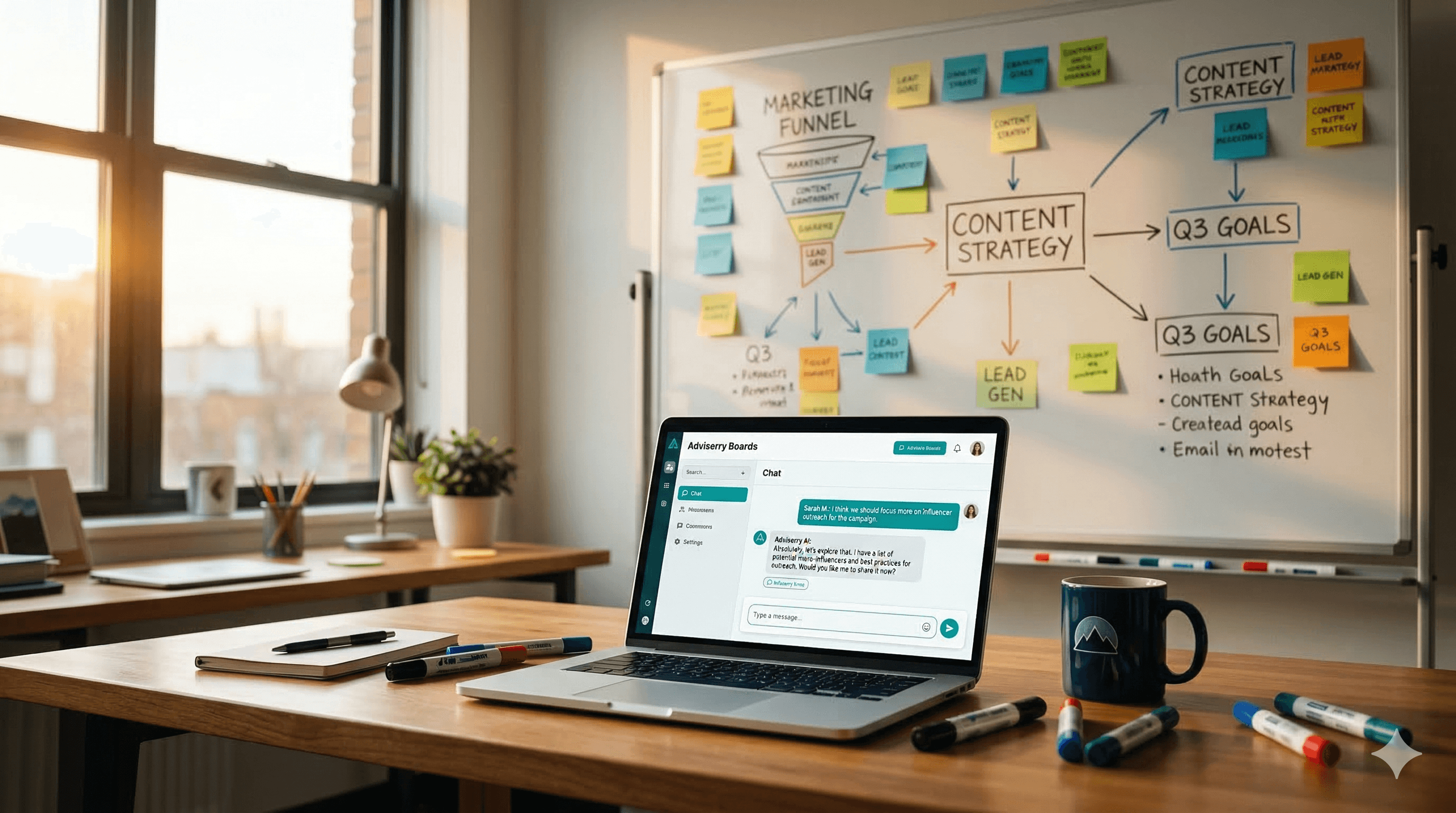
Step five: I wrote the actual marketing materials. Blog posts, landing page copy, social media content, email templates. For each one, I referenced my marketing board to make sure the approach was grounded in advice I trusted, not just whatever felt right in the moment.
Here's what surprised me about this process: the value wasn't in any single piece of advice. It was in the cross-referencing. When three different marketing experts all say the same thing about early-stage launch strategy, you pay more attention than when one person says it. And when one expert disagrees with the other two, that's interesting too. Adviserry made it easy to see those patterns because all the content was in one place and queryable.
Could I have done this without Adviserry? Sure. I could have opened every marketing newsletter I'd received in the last six months, read through each one, taken notes, looked for patterns, and synthesized it all manually. That would have taken a week. The Adviserry approach took an afternoon.
The marketing plan I ended up with isn't revolutionary. Content marketing, SEO, founder-led social, beta tester outreach, and a waitlist. Pretty standard playbook. But it's a standard playbook grounded in advice from people I specifically chose to learn from, which makes me a lot more confident in executing it than if I'd just Googled "how to launch a SaaS product."
Sometimes the difference between a plan you execute and a plan you abandon isn't the quality of the plan. It's how much you trust the source.