How to Build a "SaaS Founder" Advisory Board With Newsletters and YouTube
How to Build a "SaaS Founder" Advisory Board With Newsletters and YouTube
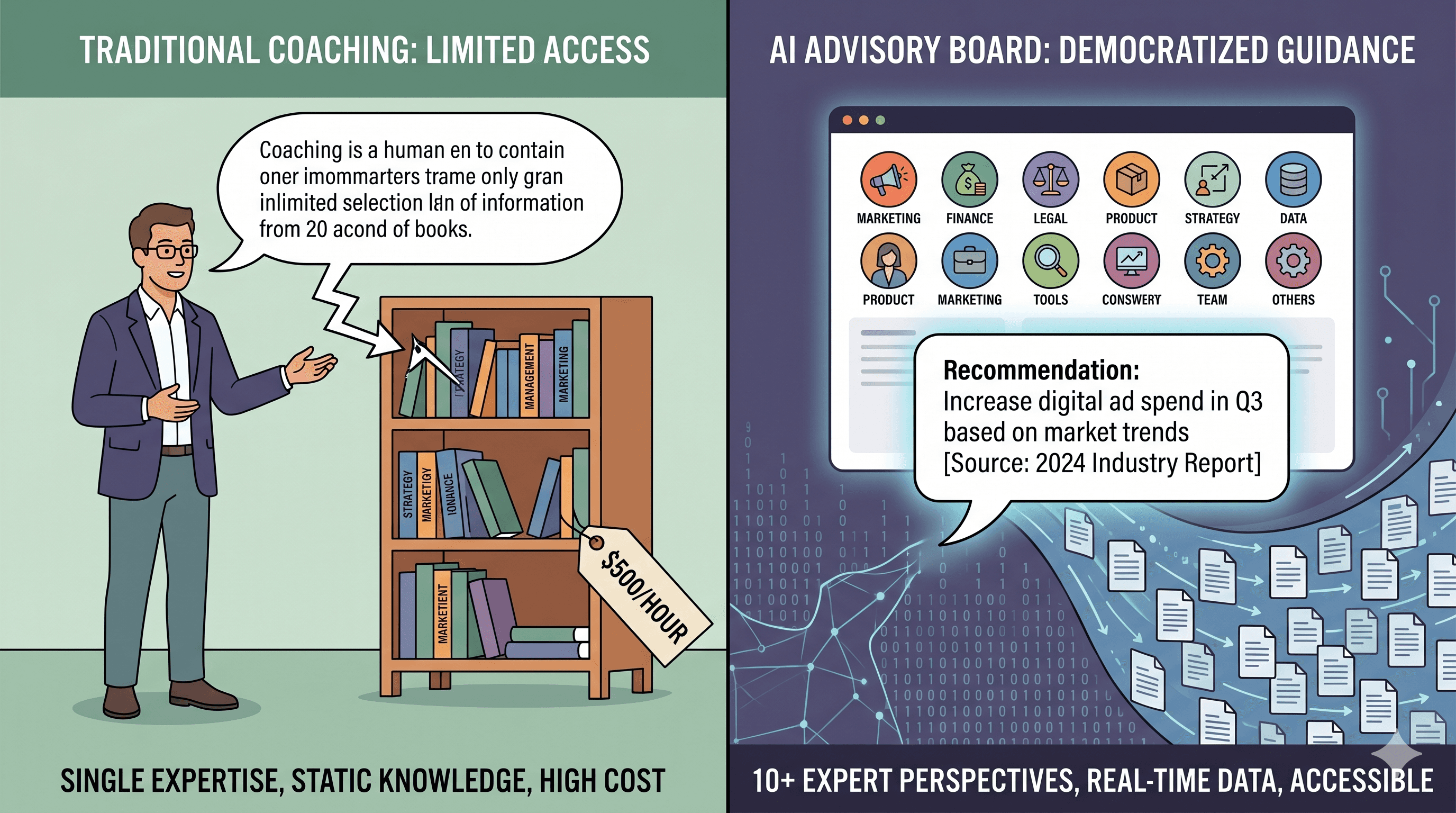
Real advisory boards are great. You get experienced operators who meet with you quarterly, review your strategy, make introductions, and tell you when you're being dumb. The problem: real advisory boards require equity (0.25-1%), relationships you might not have yet, and people who are willing to commit time to your specific company.
If you're an early-stage founder (especially bootstrapped), that's a tall order.
But here's what I realized: the experts I most wanted advice from were already publishing their thinking for free. Hormozi puts out pricing and offer frameworks on YouTube every week. Lenny Rachitsky interviews top product leaders in his newsletter. Patrick Campbell shares pricing data. Jason Lemkin covers SaaS metrics. They're already advising thousands of founders through their content.
The trick is making that content accessible and queryable, so it works like an advisory board instead of a content firehose.
Here's how to build one using Adviserry Boards. I'll share the exact sources I use for my SaaS founder board.
Step 1: Pick your "advisors" (5-10 sources per board). The best boards are focused. Don't add every business newsletter you subscribe to. Pick the experts whose advice is most relevant to your stage and challenges.
Here's my recommended starting lineup for a SaaS founder board:
Growth & Offers: Alex Hormozi (YouTube channel + newsletter). Nobody talks about pricing, offers, and growth mechanics more specifically than Hormozi. His content is dense with frameworks.
Product Management: Lenny Rachitsky (newsletter + YouTube podcast). The gold standard for product thinking. His guest interviews alone are worth it.
SaaS Metrics & Pricing: Patrick Campbell (ProfitWell newsletter). Data-driven pricing insights from analyzing thousands of SaaS companies.
Startup Strategy: SaaStr / Jason Lemkin (newsletter). SaaS-specific operational advice from pre-revenue through scale.
Marketing: Demand Curve (newsletter). Tactical marketing advice without the fluff. Short, actionable, focused on growth.
Building in Public: My First Million (YouTube). Great for idea generation and understanding what's working in the market.
That's six sources. Plenty for a focused board. You can always add more later, but starting tight gives you better answers because the AI has a clearer context.
Step 2: Create the board and add sources. In Adviserry, create a new board called "SaaS Founder" (or whatever you prefer). Add your newsletter sources from the Gmail scan and add YouTube channels by searching for the channel names. Import historical content for each source to get the full archive, not just recent issues.
Step 3: Import historical content. This is the step people skip, and it makes a huge difference. Recent issues give you current advice, but the historical archive gives you the full depth of each expert's thinking. Import up to 12 months of newsletter history and up to 1,000 videos per YouTube channel. More content means better, more specific answers.
Step 4: Start asking your board questions. This is the fun part. Treat your board like an actual advisory meeting. Bring real problems.
Questions that work well:
"I'm trying to decide between freemium and paid-only for my SaaS. What do my advisors recommend?"
"What do my sources say about when to hire your first sales person?"
"How should I think about my pricing model for a B2B tool with enterprise potential?"
"What metrics should I be tracking at the pre-PMF stage?"
"How do my advisors suggest handling a competitor who just launched a similar feature?"
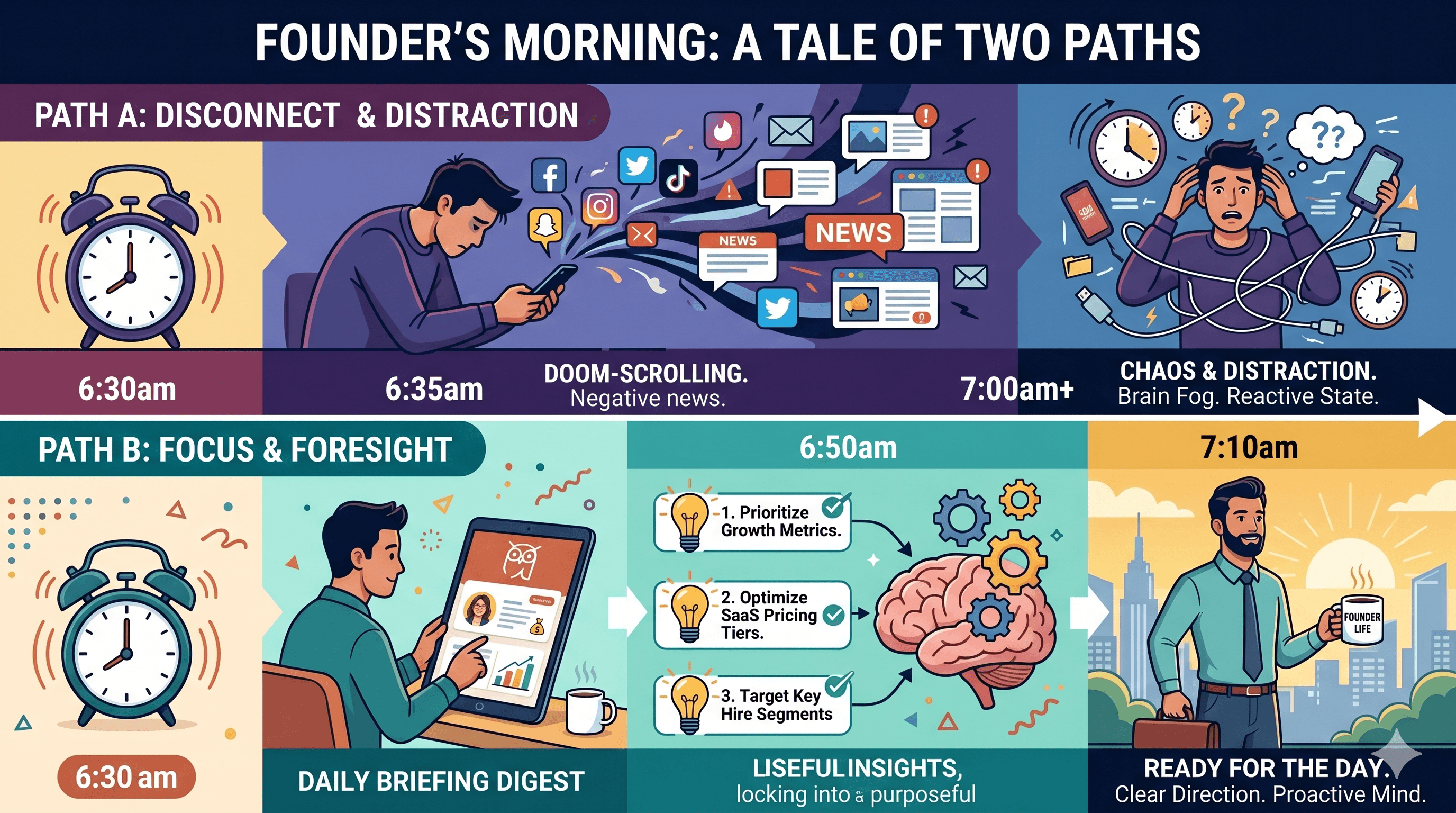
Step 5: Set up the daily digest for ongoing "advisory updates." Turn on the daily summary email in Settings. Every day you'll get highlights from new content your advisors publish. Think of it as your advisory board sending you a brief between meetings. You stay current without having to read every issue.
Step 6: Connect the MCP server for always-on access. If you use Claude Desktop, connect the MCP server so you can query your advisory board in the middle of any work session. This is how I use it most, honestly. I'm working on something, a question comes up, I ask Claude, Claude searches my Adviserry board, and I get an expert-grounded answer without switching apps.
What this gets you that a content subscription alone doesn't:
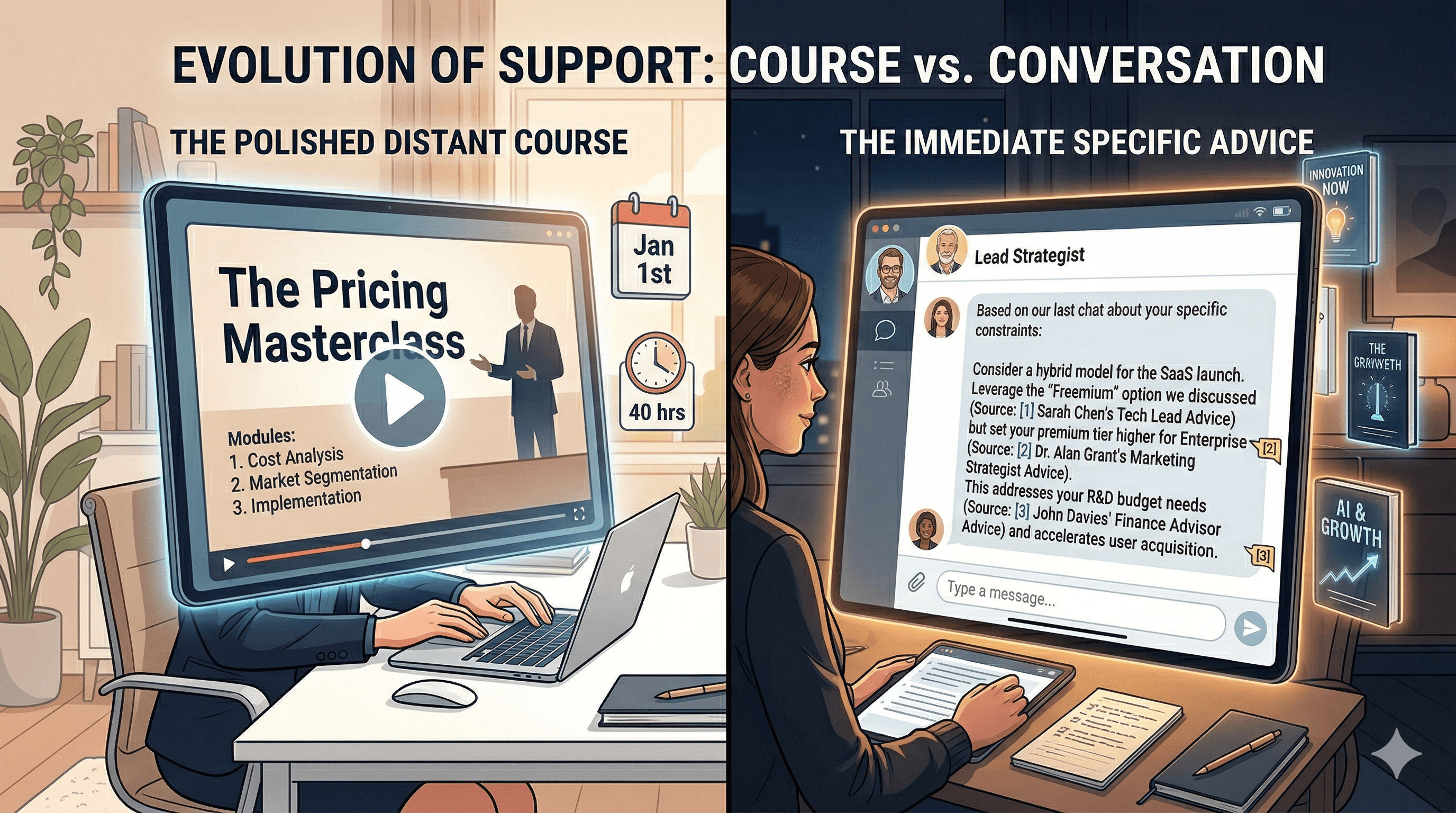
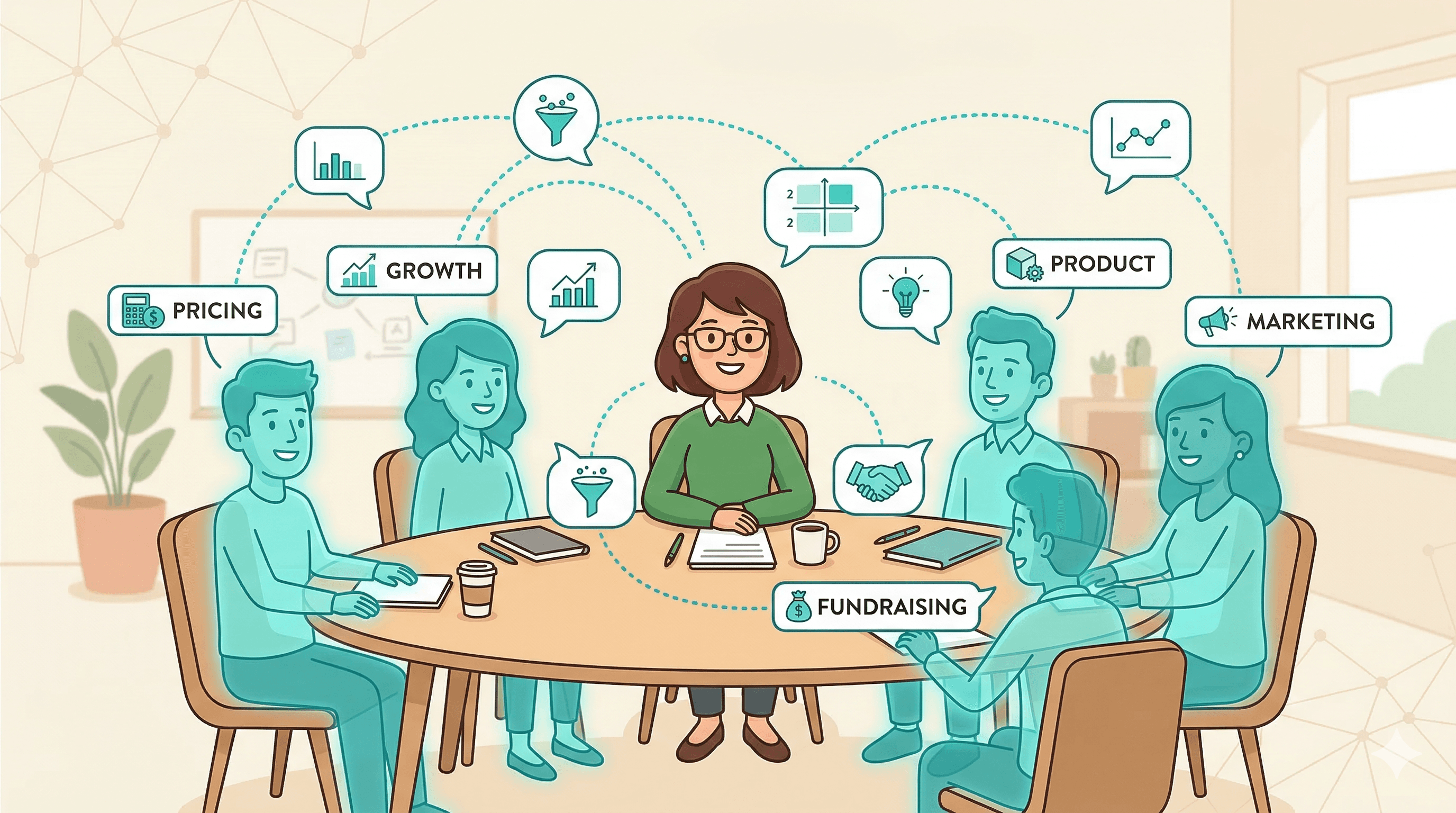
Cross-referencing. When you ask about pricing, you get Hormozi's take AND Patrick Campbell's data AND Lenny's guest perspectives, synthesized together. You'd never get that from reading each newsletter individually.
Searchability. Six months of newsletter archives, instantly queryable. No more "I know someone wrote about this" with no way to find it.
Just-in-time advice. You don't have to remember the advice in advance. You access it when the specific situation comes up.
A real advisory board meets quarterly. This one is available at 2am on a Tuesday when you're agonizing over a pricing change. That's not a replacement for human advisors, but it's a pretty good complement to them.
Build the board. Start asking questions. The experts are already publishing the advice. You just need a way to use it.