Newsletters Are the New MBA — If You Can Actually Use What They Teach
Newsletters Are the New MBA — If You Can Actually Use What They Teach
I don't have an MBA. I thought about getting one a few times, usually late at night when I was questioning every business decision I'd ever made. Then I'd look at the price tag, the time commitment, and the fact that half the curriculum would be outdated by the time I graduated, and I'd close the browser tab.
What I do have: newsletter subscriptions from people who are actually running businesses right now. Lenny Rachitsky teaching product management from real Silicon Valley experience. Patrick Campbell sharing pricing data from analyzing thousands of SaaS companies. Alex Hormozi breaking down growth mechanics from businesses he's built and invested in. Demand Curve delivering tactical marketing playbooks.
The quality of instruction in these newsletters is, frankly, better than most MBA courses. I know because I've compared notes with friends who have MBAs, and they're often learning the same frameworks, just two years behind the newsletter version and with a six-figure price tag attached.
The newsletter MBA is real. There's just one enormous problem with it.
You can't use what you can't remember.
An MBA has structure. You attend class, do assignments, take exams, write papers. The information gets drilled into you through repetition and application over two years. You might not love the process, but it works for retention.
Newsletters have no structure. They arrive in your inbox whenever the creator publishes, you skim them between meetings, and the information exits your brain within days. There's no curriculum, no assignments, no accountability, and no spaced repetition. It's the world's best education delivered in the world's worst format for retention.
I've been subscribed to Lenny's Newsletter for over two years. He's published 200+ issues covering every aspect of product management with depth and rigor that would rival a Stanford course. If I'd retained even half of what he wrote, I'd be a significantly better product thinker. But I didn't retain half. I retained fragments. Vibes. "Lenny had a good episode about onboarding" with zero specifics.
The retention gap is the whole ballgame.
The knowledge is there. The quality is there. The cost is right (mostly free or cheap). The only thing missing is a way to actually retain and use the information when you need it.
This is solvable. Not by reading more carefully (you won't, and even if you did, the forgetting curve would erase most of it anyway), but by building systems that make the knowledge accessible on demand.
Spaced repetition tools like Readwise help with highlights you've already made. Second brain tools like Obsidian help if you write thorough notes (but most people don't). AI tools like Notebook LM help with specific research projects.
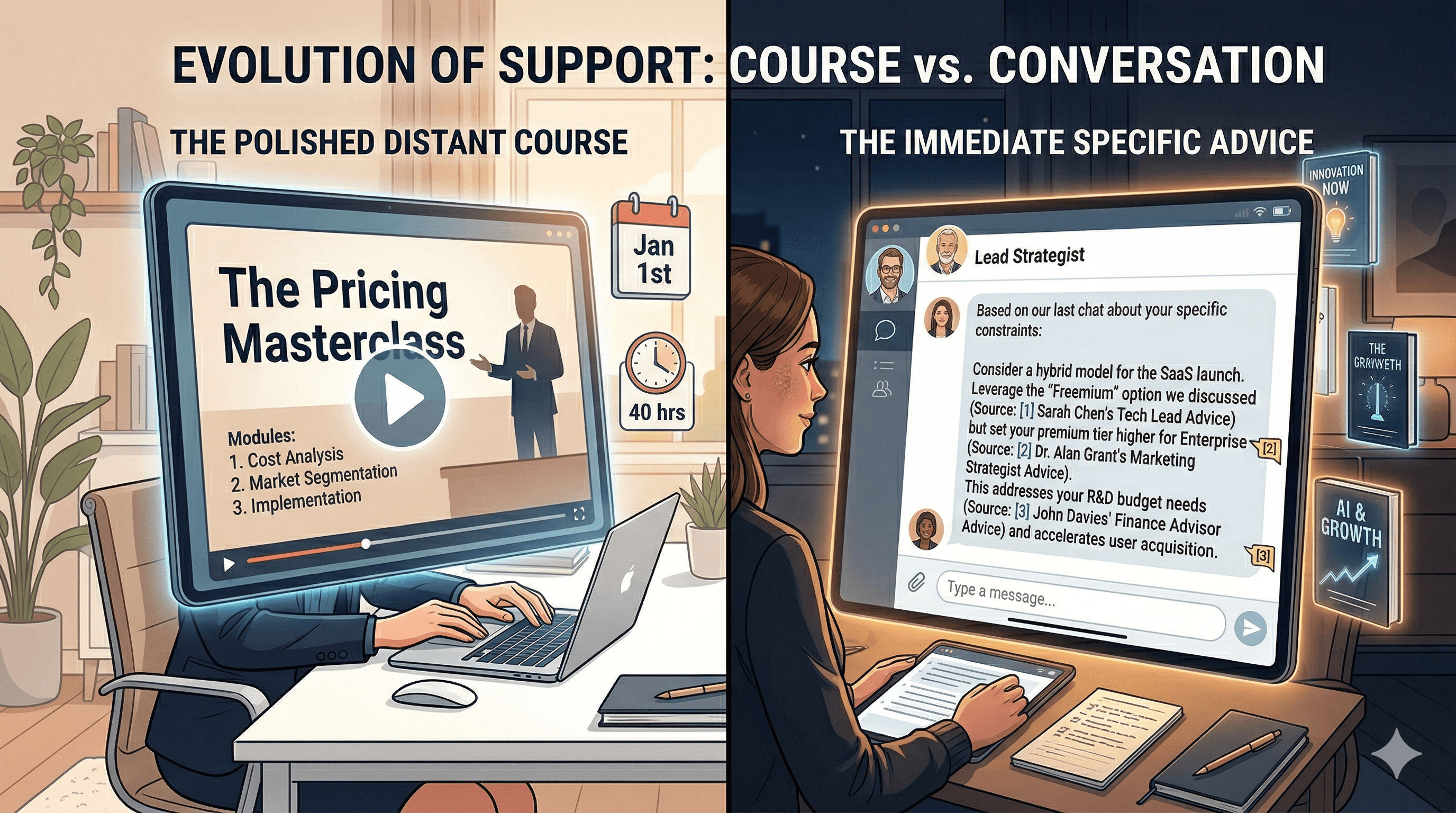
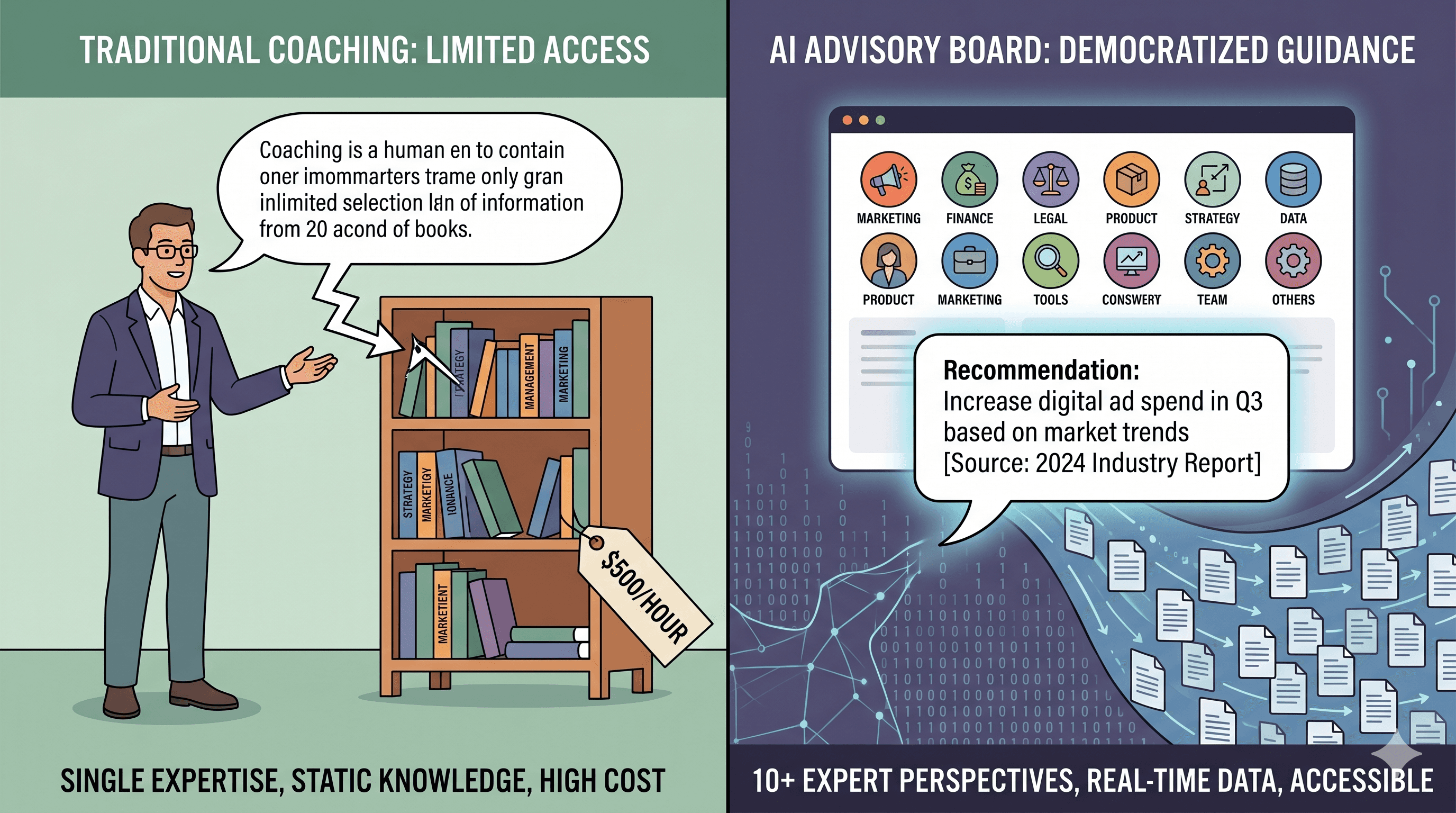
I built Adviserry Boards to solve this for newsletters specifically. Connect Gmail, select your newsletters, and everything gets extracted, summarized, and indexed automatically. When you need Lenny's onboarding framework, you search for it. When you want to compare what multiple newsletters say about pricing, you ask. The two-year archive is always there, queryable, and grounded in the actual content.
What the newsletter MBA actually looks like when it works:
You subscribe to 10-15 high-quality newsletters covering your key areas (product, marketing, growth, finance, leadership). You organize them by topic. AI processes and indexes everything.
When you face a real business problem, you query your newsletter library for relevant advice. You get specific frameworks and insights from people who've dealt with the same problem, with citations so you can go deeper.
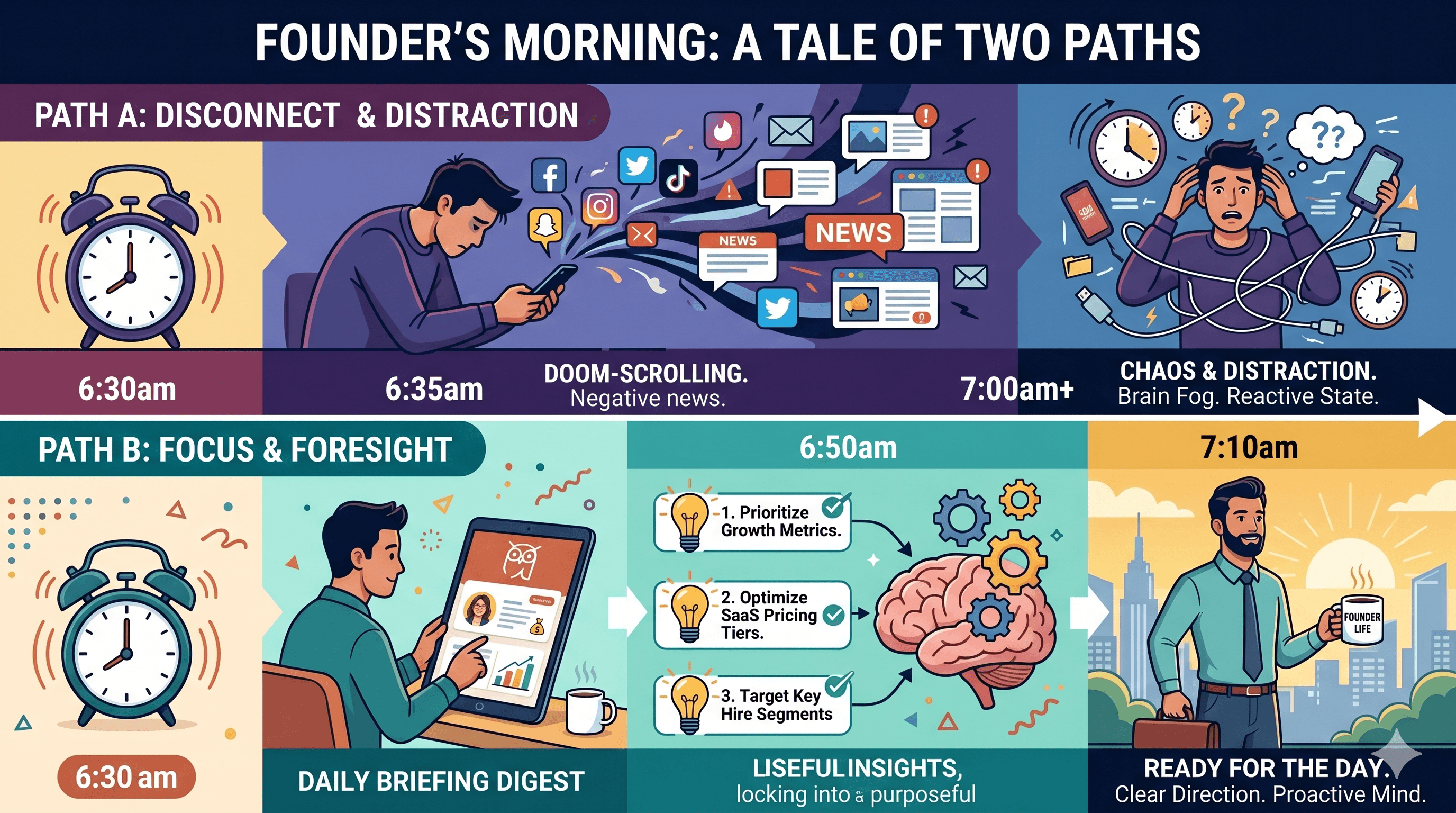
You stay current through daily digests that highlight what's new across your subscriptions. You don't have to read every issue. You just need to know what changed.
Over time, you build a deep, searchable archive that compounds. The more content your newsletters produce, the richer your knowledge base gets. After a year, you have a genuinely powerful reference library custom-built from the experts you chose to learn from.
The cost comparison is absurd.
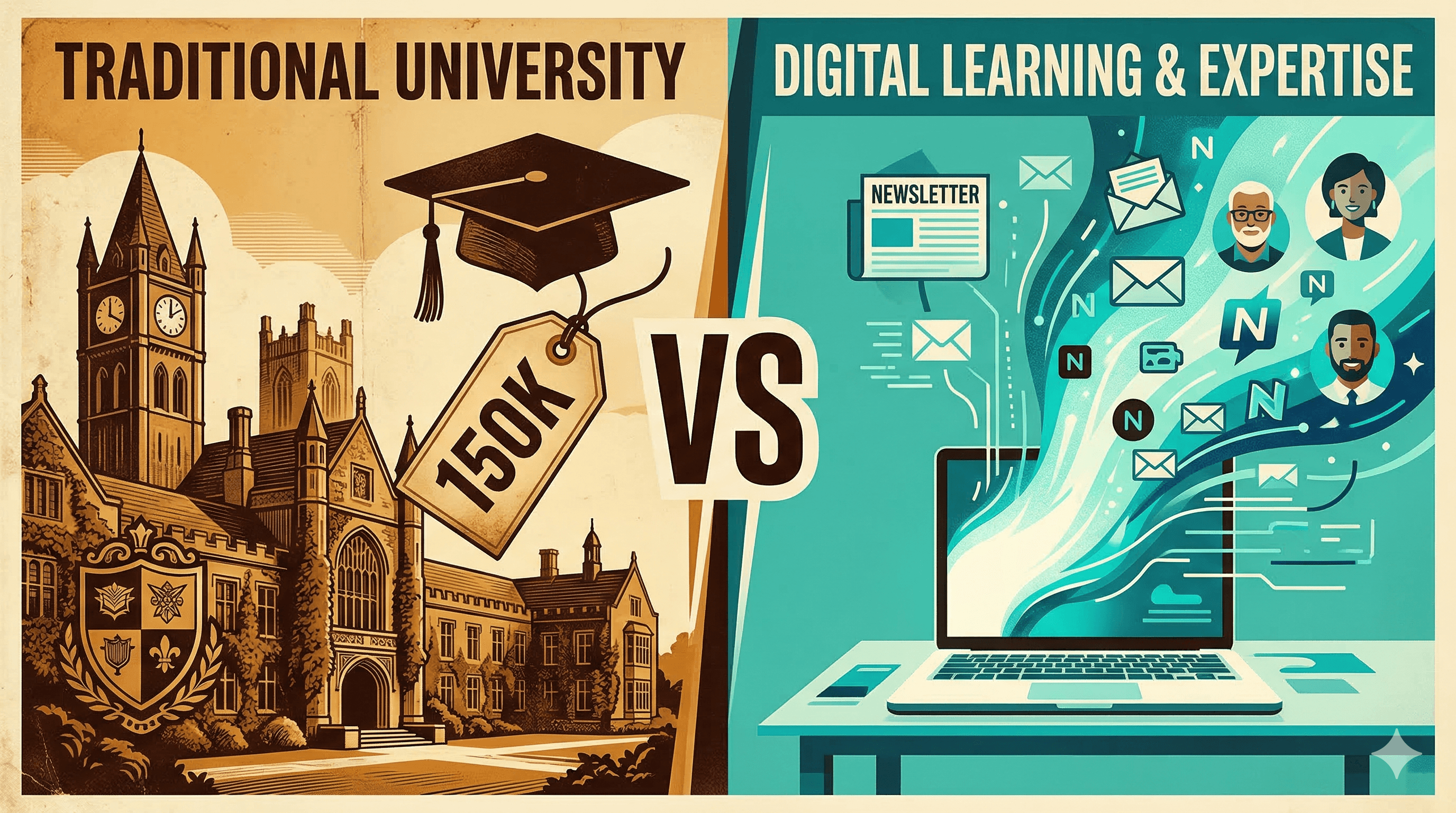
MBA: $100-200k, 2 years, outdated by graduation.
Newsletter subscriptions + Adviserry: A few hundred dollars per year at most, continuously current, available in the moment you need it.
I'm not saying newsletters replace every benefit of an MBA. The network alone might be worth the price for some people. The credential matters in certain industries. The structured thinking exercises have value.
But for the actual business education? The practical, applicable, current knowledge about how to build and run a company? Newsletters are better. They're written by practitioners, not professors. They're updated weekly, not every five years when the textbook gets a new edition. And they cover what's happening in business right now, not what happened in a case study from 2015.
The MBA you need might already be sitting in your inbox. You just need a way to use it.