The Information Overload Problem: You're Subscribing to Genius and Retaining Nothing
The Information Overload Problem: You're Subscribing to Genius and Retaining Nothing
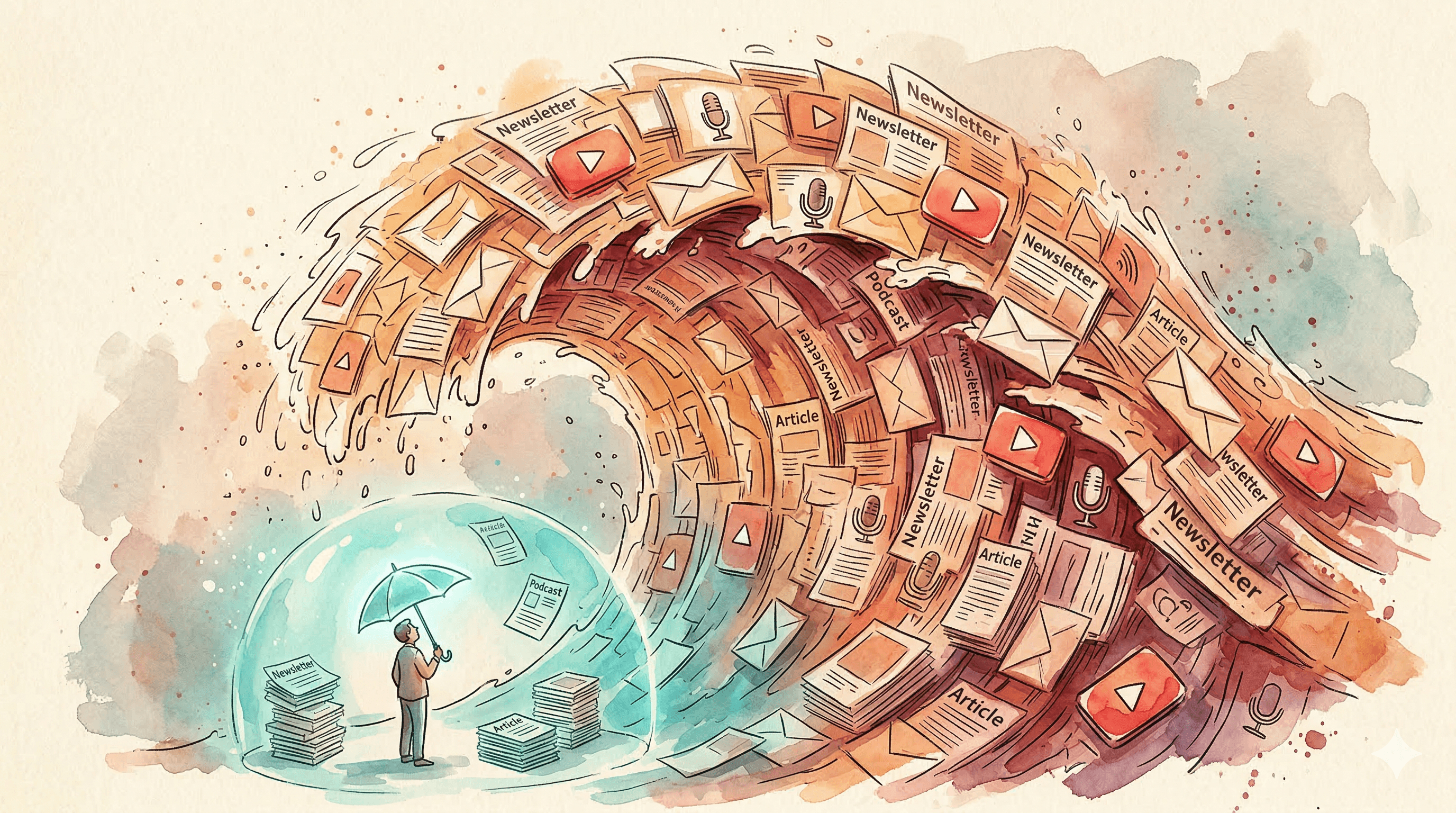
I subscribe to newsletters from Alex Hormozi, Lenny Rachitsky, Seth Godin, Sahil Bloom, and about 25 others. I follow another 15 YouTube channels covering business, product, AI, and marketing. I have three podcast apps with episodes I've been meaning to listen to since October.
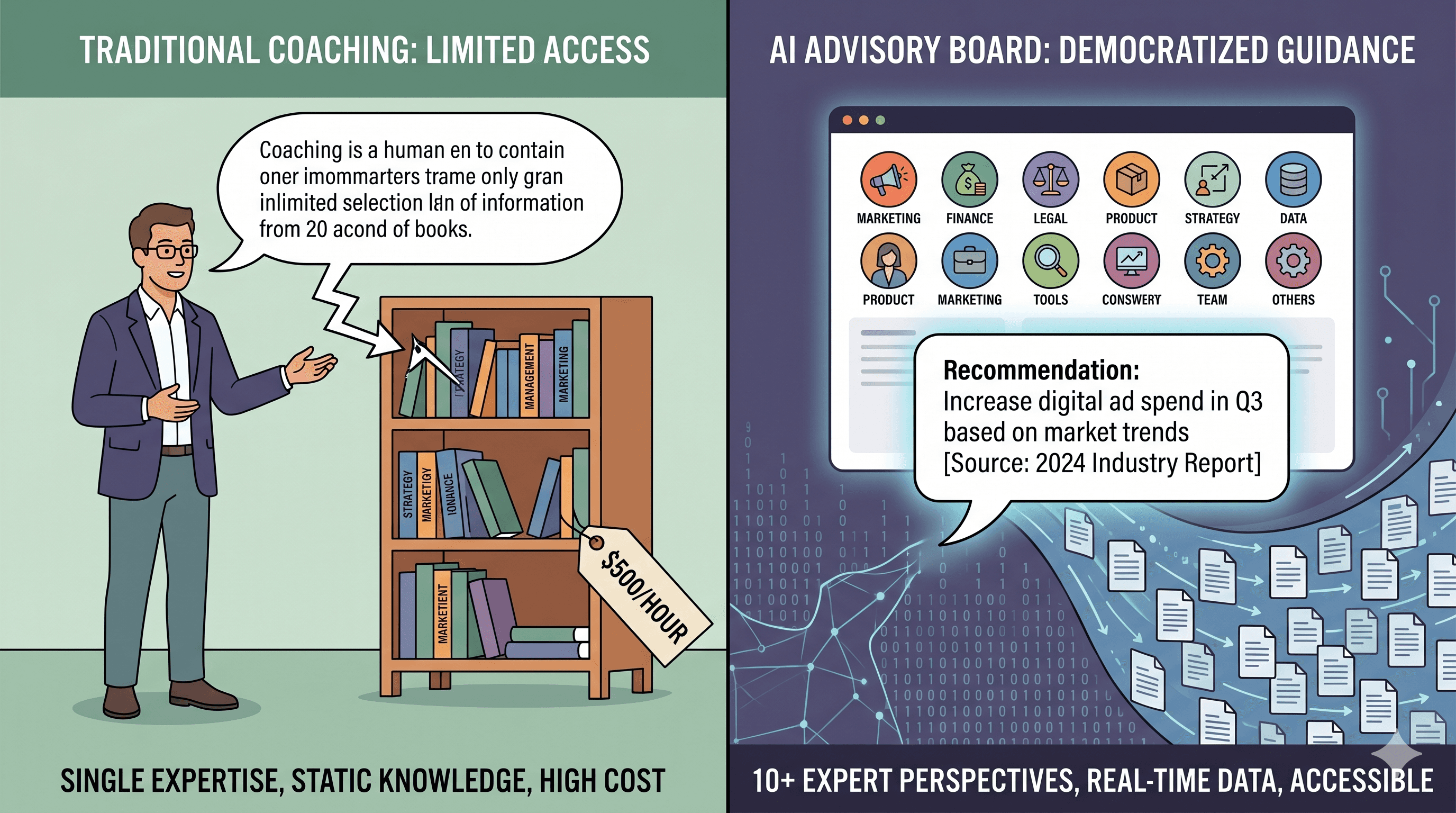
By any reasonable measure, I have access to more expert knowledge than most MBA programs contain. The collective wisdom in my subscriptions is staggering. These are some of the sharpest business minds alive, and they're publishing their best thinking for free (or close to it), and they're sending it directly to my inbox.
And I'm wasting almost all of it.
Not intentionally. I'm not ignoring these people. I read their emails when I can. I watch their videos when I have time. I listen to their podcasts during workouts. But the gap between consuming content and actually retaining and using the lessons from that content is enormous. And I don't think I'm unusual here.
The problem isn't that you're consuming too much. It's that you're retaining too little.
People talk about information overload like the solution is consuming less. Unsubscribe from newsletters. Do a digital detox. Be more selective about what you follow. And sure, curation matters. But the real problem isn't volume. It's the ratio between what goes in and what's available when you need it.
If you subscribe to 30 newsletters and retain insights from 2 of them when you need those insights, your effective newsletter library has 2 items in it. The other 28 might as well not exist. That's not an overload problem. That's a retrieval problem.
Why this hits knowledge workers and founders hardest.
If you're running a company or building a career in a rapidly changing field, the pace of learning required is genuinely insane. You need to stay current on your industry, your competitors, your craft, new technologies, new strategies, and the general zeitgeist. The experts you follow are your way of doing that.
But the format is broken. Newsletters arrive randomly throughout the day. Podcasts require 60-90 minutes of dedicated listening. YouTube videos compete with a million other things for your attention. The knowledge delivery system is optimized for the creator's publishing schedule, not for when you actually need the information.
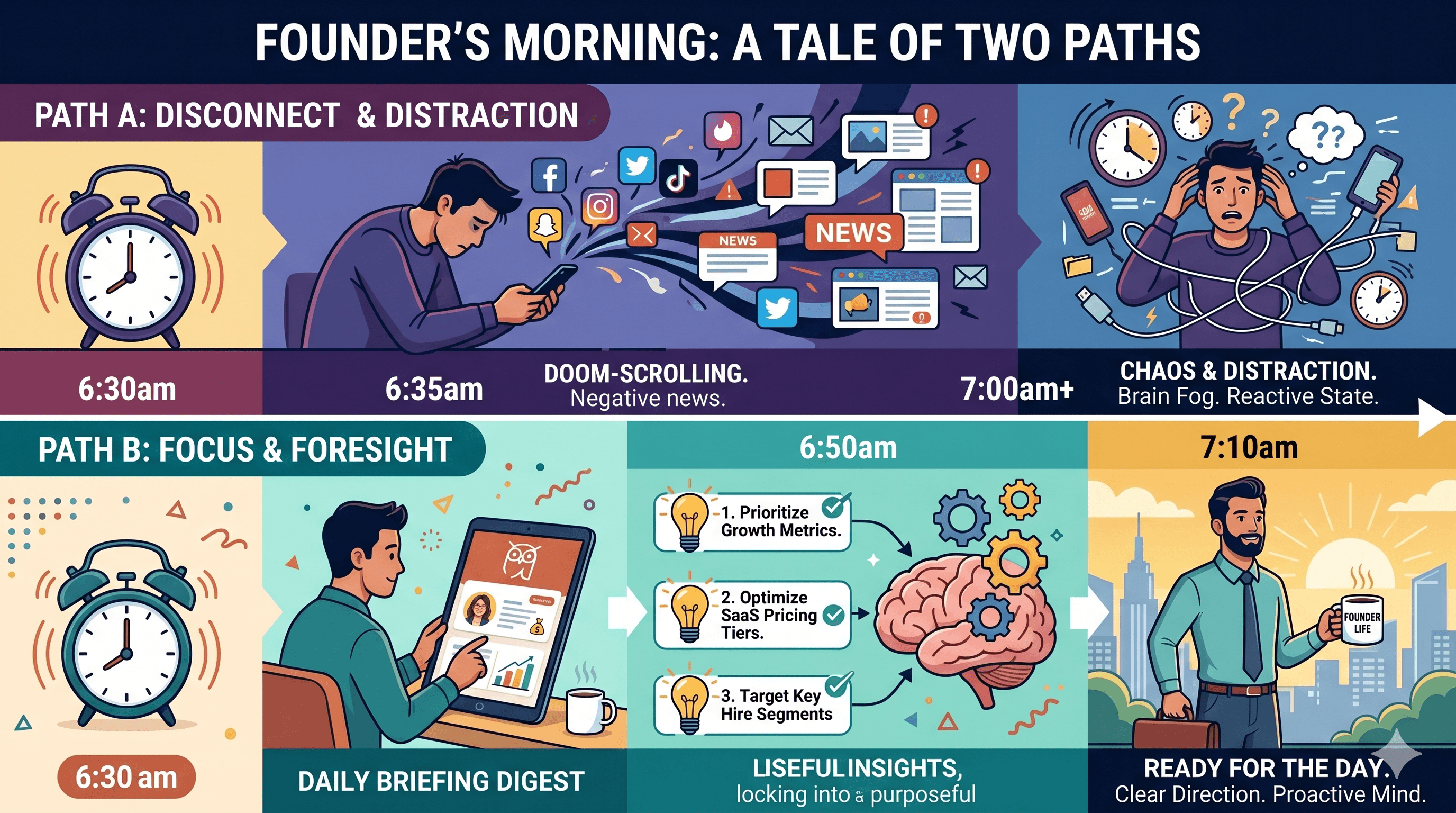
You read about a great onboarding framework in March. You need it in July. By July, you've forgotten it entirely. The knowledge was delivered four months before you needed it, with no mechanism for retrieval.
The three gaps.
There's a consumption gap: the difference between what you're subscribed to and what you actually read/listen to. Newsletters pile up, podcasts fall behind, YouTube Watch Later lists grow infinitely. Most people consume maybe 20-30% of what they're subscribed to.
There's a retention gap: the difference between what you consume and what you remember. Thanks to the forgetting curve, you lose 70-90% of what you read within a week. Even the content you did consume mostly evaporates.
There's a retrieval gap: the difference between what you vaguely remember and what you can actually find and use. "I know someone wrote about this" is useless without being able to find the specific article.
Multiply those three gaps together and you're looking at maybe 2-5% of your subscriptions' total value actually making it through to influence your decisions. That's a catastrophic waste.
The fix is systems, not discipline.
I tried fixing this with discipline. Read more carefully. Take better notes. Review weekly. It worked for about two weeks each time. Because discipline-based solutions fight against how your brain actually works.
The fix that finally stuck for me was building a system that closes all three gaps automatically:
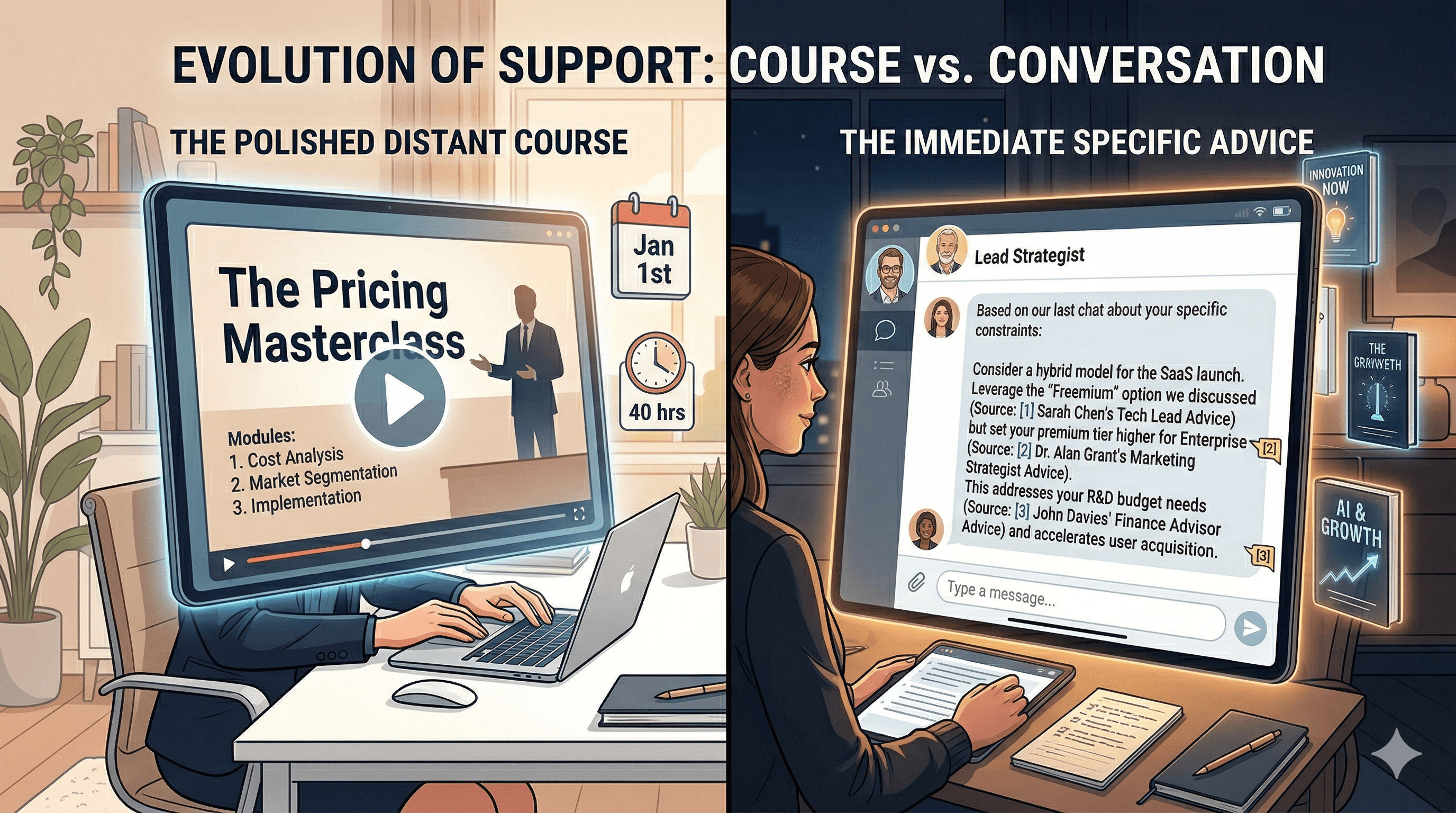
The consumption gap closes when content gets processed whether you read it or not. Adviserry extracts and summarizes my newsletters and YouTube content automatically. I don't have to read everything. The key points are captured regardless.
The retention gap closes when you stop relying on your memory. Everything is indexed and searchable. I don't need to remember the framework. I need to remember that frameworks exist in my system.
The retrieval gap closes when you can query your content in the moment you need it. "What do my marketing sources say about landing page copy?" takes 30 seconds. No digging through old emails.
I built Adviserry Boards specifically to close these gaps. But the principle applies regardless of what tool you use: the best knowledge system is one that captures, retains, and retrieves without depending on your daily effort.
The reframe that changed everything for me:
I stopped thinking of my subscriptions as things I need to read and started thinking of them as a library I need to be able to search. The shift is subtle but the practical difference is massive.
You don't feel guilty about not reading every book in a library. You feel grateful that the library is there when you need it. Your subscriptions should work the same way.
You're already subscribed to genius. Now build a system that actually lets you use it.